Lars Keller · 7 September 2026
Valley Residents Document Oral Histories to Protect Disappearing Rural Customs
Communities across several rural valleys have launched projects to record spoken accounts of long-standing customs that face erosion from modernization and population shifts, with efforts gaining momentum through structured interviews and community workshops that began in early 2025 and continue into September 2026. Researchers and local volunteers collect narratives on topics including seasonal farming rituals, craft techniques passed down through generations, and communal festivals tied to agricultural cycles, storing these accounts in digital archives accessible to future generations.
Project Scope and Methods
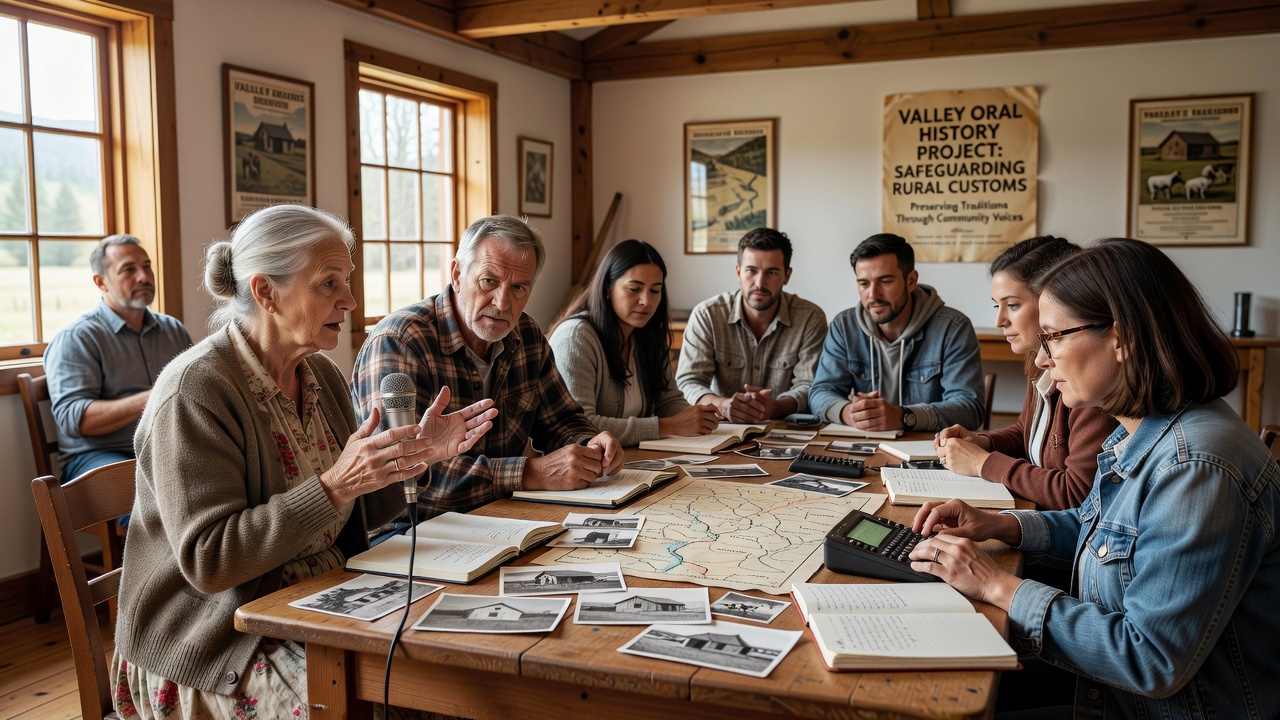
Participants conduct sessions in village halls and farmhouses where elders describe specific practices such as hedge-laying patterns unique to certain valleys or recipes for preservation of produce using methods that predate refrigeration, and these recordings undergo transcription followed by verification against historical records held in regional museums. Data from similar initiatives in other regions shows participation rates rising when projects incorporate visual aids like old photographs, while audio quality standards follow guidelines from the International Association of Sound and Audiovisual Archives to ensure clarity for archival purposes.
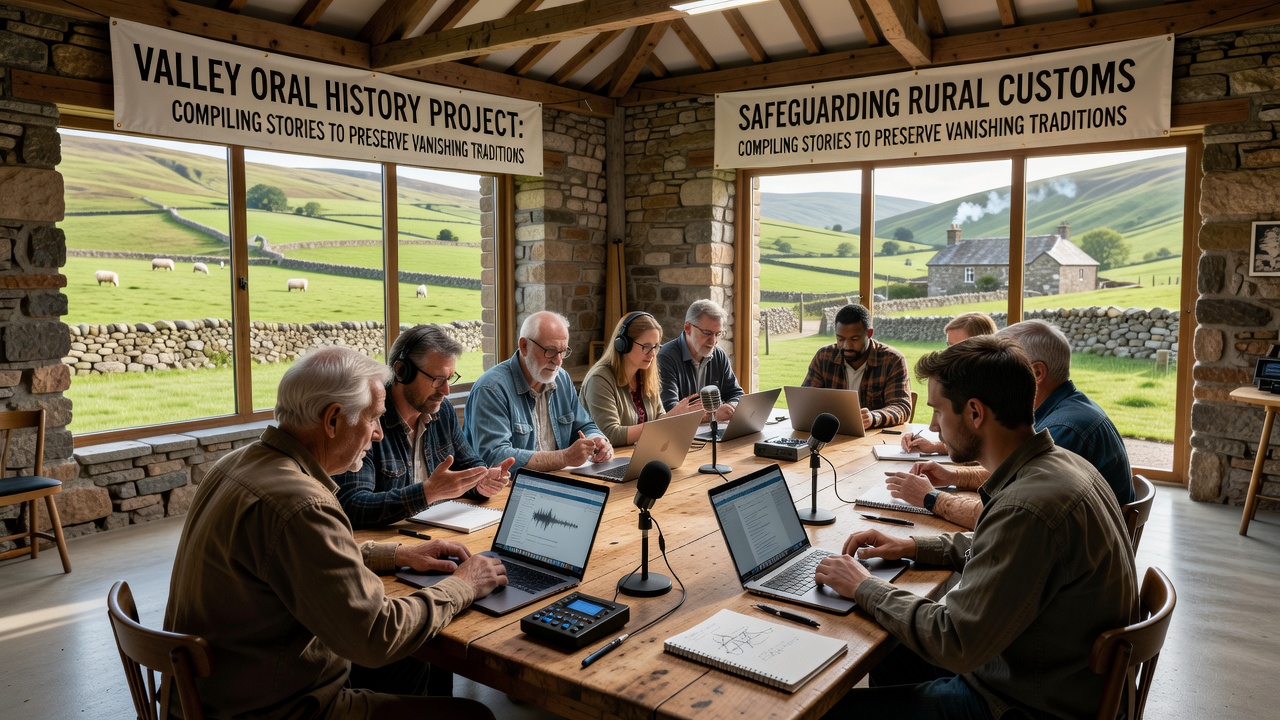
Teams divide work into phases that include initial outreach through local notices, followed by one-on-one interviews lasting between one and two hours, and then group sessions that allow cross-referencing of details among multiple speakers. Equipment consists of portable recorders and basic editing software, with storage handled on secure servers managed by university libraries that specialize in ethnographic materials.
Examples from Specific Valleys
Take one project in the northern valleys where inhabitants documented the annual sheep-shearing gatherings that once involved entire hamlets working together over several days, including songs sung during the labor and shared meals prepared from local ingredients. Observers note that such accounts reveal variations in technique that differ by family lineage, providing insight into how knowledge adapted to changes in terrain and climate over decades.
Another effort in the western valleys focuses on stories about water management systems built from stone and wood that channeled streams for irrigation, with narrators explaining the maintenance schedules tied to lunar phases and community labor rotations. These details connect to broader patterns observed in European rural studies, where similar systems appear in records from the 19th century onward.
Challenges in Collection and Preservation
Collectors encounter difficulties when dialects vary sharply between neighboring hamlets, requiring additional time for accurate transcription and sometimes multiple follow-up visits to clarify terms. Funding comes from regional heritage grants and small donations, which support travel and equipment but limit the scale of operations in areas with dispersed populations. Digital formats allow wider distribution yet raise questions about long-term accessibility, as file standards evolve and institutions must plan for migrations to newer platforms.
Coordination with academic partners helps address these issues through training programs that teach volunteers interview techniques drawn from anthropology protocols, and partnerships with institutions such as the American Folklife Center provide templates for metadata that improve searchability in archives.
Integration with Broader Heritage Efforts
Local groups align their work wth national cultural inventories maintained by bodies like the Australian Government’s Department of Climate Change, Energy, the Environment and Water, which track intangible heritage elements across rural zones. This alignment allows valley projects to contribute data that informs policy on land use adn education programs in schools. September 2026 marks the scheduled release of a combined database that merges recordings from multiple valleys, enabling comparative analysis of how customs have shifted in response to economic pressures.
Workshops held in community centers introduce younger residents to the collected materials through listening sessions, where they hear accounts of forgotten festivals and then discuss adaptations that might keep elements alive in contemporary settings. Such activities build continuity without altering the original spoken records, preserving the authentic voices captured during interviews.
Conclusion
These oral history compilations serve as repositories that capture details of rural life before further transformation occurs, with the September 2026 milestones representing one step in an ongoing process of documentation. The resulting archives support research by historians and cultural analysts while offering residents direct access to their shared past through organized retrieval systems. Continued participation from valley inhabitants ensures that the range of recorded customs reflects the diversity present across different locations and family lines.